
_edited.png)
Trauma Model Therapy: One Way to Heal Complex Trauma

Some days, trauma doesn’t feel like the past at all. It can feel like it’s sitting in the room with you. You may notice it in the way you dissociate or "blank out", or in the confusing swing between feeling too much and feeling nothing at all for example.
If that’s where you are, you’re not failing. Your mind and body may be doing exactly what they learned to do to survive. Many people come to therapy carrying symptoms that look messy on the surface but make sense once trauma is part of the picture.
That’s where trauma model therapy can be helpful. It offers a way to understand trauma reactions with compassion instead of shame. Rather than asking, “What’s wrong with me?” it asks, “What happened, and how did I adapt?”
This kind of therapy can be especially meaningful when trauma is layered, long-term, or tangled with dissociation, relationship struggles, chronic overwhelm, or diagnoses that never fully seemed to explain the whole story. It can also help when you’ve tried to “just move on” and found that your nervous system didn’t get the message.
For Texans looking for specialized trauma care, including online options, it helps to have a clear map and a well trained therapist (like the one at Rise Counseling and Coaching LLC). That’s what this guide is meant to offer- a clear map to understanding trauma model therapy or TMT and get connected with a therapist who utilizes TMT. You deserve information that’s plain, respectful, and grounded in real clinical understanding.
Welcoming a New Path to Healing From Trauma
Healing often starts subtly. It might begin when you realize your reactions have a history. It might begin when you get tired of managing everything alone. It might begin when you wonder whether your symptoms are signs of injury rather than proof that you’re broken.

Trauma therapy is not about forcing you to relive pain before you’re ready. Good trauma therapy starts with safety, pacing, and understanding. It helps you make sense of why your mind may split things apart, why relationships can feel intense or confusing, and why your body may still act like the danger is current.
When trauma keeps showing up in daily life
Trauma can affect far more than memory. It can shape how you trust, how you rest, how you react, and how you see yourself.
You might relate to some of these experiences:
Emotions feel extreme: Small stressors can trigger panic, rage, shame, or collapse.
Relationships feel unstable: You may fear abandonment, pull away quickly, or feel stuck in painful patterns.
Your sense of self feels fragmented: At times you feel clear and grounded. At other times, you feel disconnected or unlike yourself.
Your body carries the load: Sleep problems, tension, numbness, and startle responses can become part of everyday life.
Trauma symptoms often make more sense when we view them as survival responses instead of character flaws.
That shift matters. Once you understand your symptoms as protective adaptations, therapy can become less about “fixing” you and more about helping you feel safer, more connected, and more whole.
A gentler framework for complex trauma
Trauma model therapy is one framework that helps people do that. It was designed for trauma that doesn’t fit neatly into a simple category. That includes people living with dissociation, complicated PTSD symptoms, and overlapping diagnoses.
If you’ve felt misunderstood by past treatment, this model may feel different. It starts from the idea that your inner world has logic, even if that logic formed in painful circumstances.
Understanding Trauma Model Therapy
A lot of people arrive at this point with a confusing question. “If I have five different symptoms and three different and complex diagnosis labels, what is therapy even supposed to treat?”
Trauma model therapy offers one way to answer that question. Developed by Dr. Colin A. Ross and described in his work on trauma, dissociation, and overlapping diagnoses, it looks for the underlying trauma pattern that may be connecting symptoms that seem unrelated on the surface (CFAS on Trauma Model Therapy and complex comorbidity).
This distinction is important because complex trauma often affects many parts of life at once. A person might deal with panic, self-harm, emotional intensity, dissociation, substance use, relationship strain, or a diagnosis such as PTSD, a dissociative disorder, or Borderline Personality Disorder for example. Trauma model therapy asks a different question than symptom-only treatment. It asks, “What happened, and how did your mind and body learn to survive it?”
Symptoms as survival strategies
One of the most comforting parts of this model is the idea that symptoms usually have a purpose. They often began as protection.
A helpful analogy is to view the nervous system as a house after a major storm. During the storm, boarded windows, shut doors, rerouted power, and closed-off rooms can prevent more damage. After the storm passes, those same protections can make the house hard to live in.
Trauma responses often work in that same way. Dissociation, emotional numbing, hypervigilance, people-pleasing, or sudden anger may have helped you get through something overwhelming. Later, they can start causing pain in work, relationships, sleep, and everyday life.
That shift in perspective can reduce shame. It also helps clients approach treatment with more curiosity and less self-blame. If you want a broader picture of the practical skills therapists use in this kind of work, this guide to trauma therapy techniques may help.
The key ideas behind the model
Several ideas make trauma model therapy, and working with a therapist who utilizes trauma model therapy, especially helpful for people whose symptoms feel tangled or contradictory.
Therapy helps rebuild an internal sense of control: Trauma can train you to stay focused on other people’s moods, needs, or threats. Treatment helps you notice your own signals, choices, and boundaries again.
Attachment and harm can become mixed together: If the person who caused harm was also a caregiver or source of safety, the emotional aftermath can feel confusing. Therapy makes room for that complexity.
Visible symptoms may point to hidden trauma patterns: Self-blame, dissociation, conflict in relationships, or risky behavior often make more sense when viewed through a trauma lens.
Old roles can repeat in current relationships: Some people get pulled into victim, rescuer, or perpetrator roles because those patterns feel familiar, even when they are painful.
For many clients, this framework brings relief. Their experiences stop feeling random.
Why this model is often used for complex cases
Trauma model therapy is often considered when someone has trauma symptoms plus complex dissociation, unstable relationships, intense emotions, self-destructive coping, or several complex diagnoses like PTSD, D.I.D. or O.S.D.D. that may at times seem to not be fully addressed.
That does not mean every person with trauma needs this exact approach. It means this model is designed to handle complexity with more care and precision. Sometimes clients start with EMDR and then benefit from TMT or vice versa.
For Texans looking for specialized support, that practical side matters. You may not need to sort out every diagnostic question before reaching out. You need a therapist who understands trauma, dissociation, clinical complexity and the way symptoms can cluster together. At Rise Counseling and Coaching LLC, clients in Texas can access trauma-informed care, Trauma Model Therapy and/or EMDR through online trauma therapy with a relational and trained therapist, which can make specialized help easier to reach if local options feel limited or cost is of concern.
What often confuses people at first
A common concern when they start to learn about trauma is, “Does this mean every symptom stems from dissociation?” No. Trauma model therapy does not reduce every problem to one explanation. It treats dissociation as one possible clue among several.
Another common question is, “If I’ve been told I have BPD or O.S.D.D., does trauma still matter?” Absolutely! This model does not dismiss diagnoses. It examines whether trauma, attachment wounds, and dissociation may help explain the emotional and relational patterns underneath the diagnosis.
Practical rule: If your symptoms seem disconnected, but your life story suggests they may be linked, a trauma-focused approach may be worth considering.
The Three Phases of Trauma Model Therapy
Trauma work feels safer when it has structure. One helpful way to think about trauma model therapy is as rebuilding a damaged house in the right order. You don’t start by tearing open every wall. You first make the structure safe, then repair what was harmed, then help the home function as a whole again.
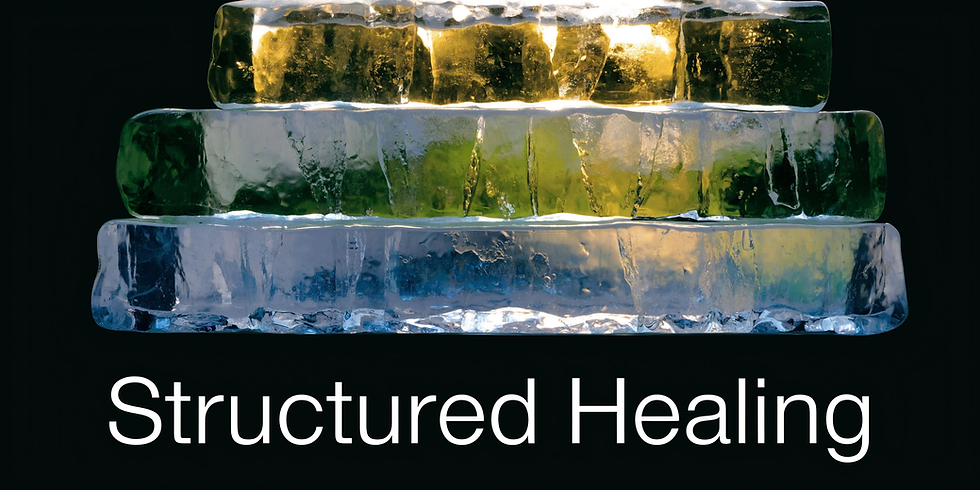
This model uses a three-phase approach: Safety and Stabilization, Trauma Processing, and Integration and Reconnection (more details on phases can be found at Get Into Your Head Training, the home of TMT training).
Phase 1 Safety and Stabilization
This first phase is often where people feel the most relief. Not because everything is solved yet, but because therapy finally slows down enough to build safety.
A therapist may focus on:
Rapport and trust: You need a working therapeuticrelationship that feels both genuine and steady enough to hold difficult material you will explore.
Grounding skills: These help when you feel flooded, numb, unreal, or pulled into the past.
Emotional regulation: You learn ways to notice activation earlier and respond with more choice. At Rise Counseling and Coaching LLC, we also focus on teaching emotional identification to help with utilizing emotional regulation skills learned in TMT.
Psychoeducation: Understanding dissociation, diagnosis'. and trauma responses can reduce fear and shame. This psychoeducation starts from the intake session at Rise C&C.
For people with complex PTSD, dissociative disorders BPD features, this phase is very important. Emotional intensity often makes people think they need immediate deep processing. In reality, processing tends to go better when the nervous system has more support first!
Phase 2 Trauma Processing
This phase is not about dumping every memory into the room. It’s about approaching trauma in a careful, contained way.
In TMT and general trauma therapy, the highly trained therapist helps identify specific traumatic material and the self-states or alters of self that may carry it. That can be a major shift for people who feel internally divided. Instead of treating those inner experiences as evidence that they’re “too much,” therapy treats them as meaningful communications from aspects of self, or sometimes alters, that had to survive.
A few examples of what this can look like:
Situation | How TMT may frame it |
“I overreact and then hate myself.” | A overwhelmed part of self (or possibly a younger alter) may be getting activated by present-day triggers. |
“I feel blank during conflict.” | Dissociation may be stepping in to protect you from emotional overload. |
“I keep ending up in harmful relationships.” | Trauma-linked attachment patterns may still be shaping choices and expectations. |
This matters for BPD or D.I.D symptoms for example, because many experiences associated with these types of diagnosis', such as intense fear of abandonment, internal conflict, unstable identity, impulsive or mal-adaptive coping, and relationship whiplash, can also be understood through a trauma lens. TMT looks for the roots, not just the visible branches of symptoms.
Healing doesn’t require forcing every part of you to disappear. It often begins when those parts no longer have to fight so hard to be heard.
Phase 3 Integration and Reconnection
The final phase supports a more cohesive sense of self. This doesn’t mean becoming a totally different person overnight. It means more internal cooperation, more present-day living, and less domination by old survival patterns.
In this phase, clients often work on:
Internal coherence: Thoughts, feelings, and self-states become less disconnected.
Autonomy: Choices feel more grounded in the present rather than driven by old fear, avoidance, mal-adaptive coping, or dissociative self states (alters).
Life beyond trauma: Relationships, work, identity, purpose, and joy begin to take up more space.
For people who’ve lived with chronic trauma, this phase can feel unfamiliar. Some clients need time to get used to life without constant emergency. That’s normal.
How TMT Helps With Symptoms of Complex PTSD, DID and BPD
You might recognize this kind of pattern. A small conflict turns into panic. A relationship feels safe one day and unbearable the next. Part of you wants closeness, while another part wants to disappear. If that has happened to you, it does not automatically mean you are "too much" or beyond help. It often means your mind and body learned survival strategies under strain.
That overlap is one reason diagnosis' like: complex PTSD, DID, and Borderline Personality Disorder are so often confusing. All of these can involve intense emotions, identity disruption, dissociation, self-harm urges, fear of abandonment, chronic shame, and/or relationship instability. A person can spend years collecting diagnosis' without getting a clear explanation for why life feels so hard or what symptoms of their's align with these diagnosis.
Trauma model therapy helps by asking a more useful question. What happened, what adaptations formed, and how are those adaptations still trying to protect you now?
Why this approach often feels more gentle
For many people, the label "BPD" or "DID" , just as an example, carries a heavy emotional charge. It can sound like a judgment about character instead of a description of suffering. TMT shifts the focus from blame to function.
A simple way to understand it is this. If a smoke alarm goes off every time you make toast, the goal is not to shame the alarm. The goal is to understand why it became so sensitive, then help it respond more accurately. In a similar way, TMT looks at intense reactions, shutdown, and rapid changes in self-state or alters, as signs of a nervous system that learned to protect you under repeated stress.
That perspective can bring relief. It also opens the door to treatment that fits the actual problem.
How TMT helps with complexity: DID, PTSD, and BPD-related symptoms
TMT is often a strong fit when symptoms feel layered or contradictory. You may feel attached and furious, numb and overwhelmed, capable at work and completely flooded in close relationships. Rather than treating those experiences like random chaos, TMT organizes them into a trauma map.
In practice, that can help clients:
understand triggers with more clarity
notice dissociation earlier
make sense of conflicting self-states
reduce shame around survival behaviors
respond to relationships with more steadiness
build safer coping before crises escalate
For someone with complex trauma, this often means less time trapped in threat, collapse, or emotional whiplash. For someone with BPD or DID-related struggles, it can mean more continuity in identity, fewer explosive reactions, and a growing ability to stay present during conflict.
How TMT fits with EMDR and TF-CBT
TMT does not have to stand alone as the only resource for healing. Good trauma therapy is often customized, especially when symptoms are complex.
EMDR: Often helps people reprocess distressing memories and triggers once enough stability is in place. If you want a clearer sense of how that works, this practical guide to how EMDR therapy works can help.
TF-CBT: Often used with children and teens who benefit from a more structured, skills-based approach that includes trauma processing.
TMT: Often helps when dissociation, internal fragmentation like in dissociative disorders, attachment wounds, and multiple overlapping diagnoses that make treatment less straightforward.
A skilled therapist may draw from more than one model during your treatment. What matters is whether the treatment helps you feel safer, more understood, and better able to function in daily life.
What progress often looks like
Healing in TMT is usually easier to notice in daily life before it shows up as one dramatic breakthrough.
You may find that you pause before reacting. You recover faster after being triggered. You can tell the difference between present danger and old fear. Relationships begin to feel less like emergencies. Your history still matters, but it stops making every decision for you.
For Texans looking for this kind of care, access matters as much as theory. Trauma model therapy is specialized work, and finding a therapist who understands dissociation, attachment trauma, and complex presentations can make a real difference. At Rise Counseling and Coaching, clients in Texas can access trauma-informed support, including online therapy options, with a named therapist trained to work with these patterns in a careful, grounded way.
Comparing TMT With Other Trauma Therapies
To choose the right therapy, it helps to ask a simpler question: what kind of help does my nervous system need first?

Someone may come to therapy feeling haunted by one clearly defined memory. Someone else may feel flooded, numb, disconnected, or pulled in different directions internally without knowing why. Those two people may both have trauma histories, but they may not need the same starting point.
That is where comparison becomes useful. TMT, EMDR, TF-CBT, and exposure therapies are all trauma treatments, but they organize the work differently. A helpful comparison is physical medicine. A cast, physical therapy, and surgery can all treat pain, but each fits a different injury pattern, stage of healing, and level of stability.
A practical side by side view
Therapy | Main focus | Often useful when | One important note |
TMT | Trauma, dissociation, complex comorbidity, self-states | Symptoms feel layered, fragmented, or difficult to classify | Helps organize complex presentations through a trauma lens |
EMDR | Reprocessing distressing memories and triggers | Memories feel “stuck” and the person can stay grounded enough for bilateral work | Often integrated with other therapies |
TF-CBT | Skills, trauma narrative, cognitive restructuring | Children and teens need a structured trauma treatment | Strong fit for younger clients and caregivers |
Exposure therapies | Repeated, supported contact with trauma-related cues or memories | Avoidance is keeping fear active | Format and trauma type can affect fit |
A quick summary can help. EMDR often fits people who can stay present enough to work directly with memory networks. TF-CBT gives children, teens, and caregivers a more structured path. Exposure approaches can reduce fear when avoidance has taken over daily life. TMT often becomes especially helpful when trauma has shaped identity, attachment, dissociation, and multiple diagnoses all at once.
Many clients need more than one model over time.
A therapist might begin with TMT to help make sense of dissociation, trauma responses, and internal conflict. Later, the same client may use EMDR for a specific memory once enough safety and stability are in place. If you want a clearer picture of that approach, this practical guide to how EMDR therapy works offers a useful comparison.
Why TMT can feel different than talk therapy alone
TMT starts from the idea that confusing symptoms may still make sense once trauma is placed at the center of the picture. Instead of asking, “What is wrong with me?” the question becomes, “What happened, and how did I learn to survive it?” That shift can bring relief, especially for people who have spent years collecting labels without a treatment plan that fits.
This matters for complex trauma and dissociative disorder presentations. A person may look reactive, shut down, inconsistent, or hard to diagnose from the outside. TMT looks more closely at what each response is trying to protect. That slower, more organized approach can help therapy feel less like being judged and more like being understood.
How to think about fit
If you are weighing options, these questions can help:
Do I mainly need help getting stable, processing memories, or understanding a more complex symptom pattern?
Do I dissociate to an extensive degree where I lose large chunks of time, or feel like different parts of me react in very different ways?
Am I willing to receive multiple methods of treatment (like TMT and EMDR for example) or just one, do I need a therapist who can combine approaches carefully and effectively?
Do I need online therapy because of distance, disability, parenting demands, work hours, or privacy concerns?
The right therapy should feel understandable and tolerable. It should match your history closely enough that you can picture yourself staying with the work.
For Texans, access shapes this decision too. Specialized trauma treatment is not available in every community, and that can leave people choosing between long waitlists, long drives, or care that does not address dissociation and complex trauma well. Rise Counseling and Coaching offers online trauma therapy, including TMT and EMDR, across all of Texas. This means you can work with a collaborative therapist trained to treat these mental health symptoms and diagnosis' related to complex trauma with care, clarity, and steady pacing.
Finding the Right Trauma Therapist in Texas
Finding a trauma therapist can feel vulnerable. You may be asking yourself whether your pain is “serious enough,” whether online therapy can really help, or whether you’ll have to explain everything from scratch to someone who still won’t get it.
A good starting point is simpler than people expect. Look for a therapist who understands trauma beyond surface symptoms, works at a pace that respects your nervous system, and can talk clearly about safety, dissociation, and treatment planning.
What to look for in a trauma therapist
You don’t need to interview a therapist like you’re hiring a contractor, but a few questions can help.
Training: Ask whether they work with complex trauma, dissociative disorders, PTSD, and overlapping diagnoses.
Pacing: Notice whether they rush toward trauma processing or first help you build stability and trust in the process.
Clarity: They should be able to explain their approach in language you can understand and take cues from you on when to slow down to clear questions up.
Relational fit: You should feel respected and welcomed, not analyzed from a distance or rushed through relational trust building in the therapy space.
Cultural responsiveness: Your racial, ethnic, cultural, disability, and identity experiences should be treated as clinically relevant, not sidelined to focus on just one aspect of you.
Telehealth and mental health access across Texas at Rise Counseling and Coaching LLC
Specialized approaches like TMT can be harder to find sometimes. Public data on virtual TMT delivery is still limited, and that makes it even more important to work with a practice that already provides trauma-focused care through secure telehealth, as noted in this discussion of trauma model therapy and telehealth access.
For many clients, telehealth removes barriers that used to delay care. It can help if you live in a rural area, manage chronic illness, have childcare demands, or prefer to begin trauma work from home for safety.
One Texas option is Rise Counseling and Coaching LLC, an online practice that serves clients across the state through a HIPAA-compliant telehealth platform. Brittany Attwood, M.A., LPC, NCC is trained in applying trauma model therapy Level 1 and 2 (working to add Level 3 in the very near) to complex trauma cases. The practice also offers online trauma counseling, online EMDR, culturally sensitive counseling, and support for adults, children, and teens who reside anywhere in Texas.
If you still feel unsure where to start, this resource on finding trauma therapy options in Houston and beyond may help you think through what to ask and what to prioritize when reaching out to Rise Counseling and Coaching.
Signs you may be ready to reach out
You don’t need to wait until you “fall apart” to begin trauma therapy. Readiness often looks ordinary.
It may sound like:
“I’m tired of surviving the same pattern.”
“I want help, but I need it to feel safe.”
“I think trauma is part of this, even if I can’t explain it well.”
“I want therapy that understands both PTSD and the more complicated pieces.”
If you can name that something isn’t working and you want support that makes sense of it, that’s enough reason to contact a therapist.
Your Next Step Toward Healing and Wholeness
Trauma can leave you feeling split off from yourself. It can make the world feel less safe, relationships feel harder, and your own reactions feel mysterious. But confusion is not the end of the story.
Trauma model therapy offers a respectful way to understand what happened and how your mind adapted. It can be especially helpful when trauma is complex, when dissociation is part of the picture, or when PTSD and BPD symptoms seem to overlap in ways that don’t fit a simple explanation.
Healing usually isn’t dramatic at first. It often begins with small changes. You pause before reacting. You notice a trigger sooner. You feel less ashamed of what your nervous system has been doing. You begin to sense that the different parts of you are not enemies.
That’s meaningful progress.
If you’ve been looking for a therapy approach that treats symptoms as understandable responses rather than proof that you’re broken, this may be a useful path to explore. You don’t have to know all the clinical language. You don’t have to be fully ready. You just have to be willing to take one gentle next step.
One action item you can take today
Schedule a free 15-minute consultation and ask one simple question: “Do you work with complex trauma using trauma model therapy, and how do you pace that work safely?”
That question can tell you a lot. You’ll learn how the therapist thinks, how they explain treatment, and whether their style feels grounding to you.
A few support options to remember
If you need immediate emotional support, local crisis resources, your nearest emergency room, or 988 can be important places to turn. If you’re not in crisis but know you need care, reaching out for a consultation is a strong first move.
You deserve care that makes sense of your story without reducing you to a label. You deserve treatment that honors your history, your culture, your body, and your pace.
Most of all, you deserve the chance to feel more whole.
_____________________________________________________________
Your journey toward healing can start with a simple conversation. If you’d like to explore whether trauma-focused telehealth therapy feels like the right fit, contact Rise Counseling and Coaching LLC to schedule a consultation.


Comments